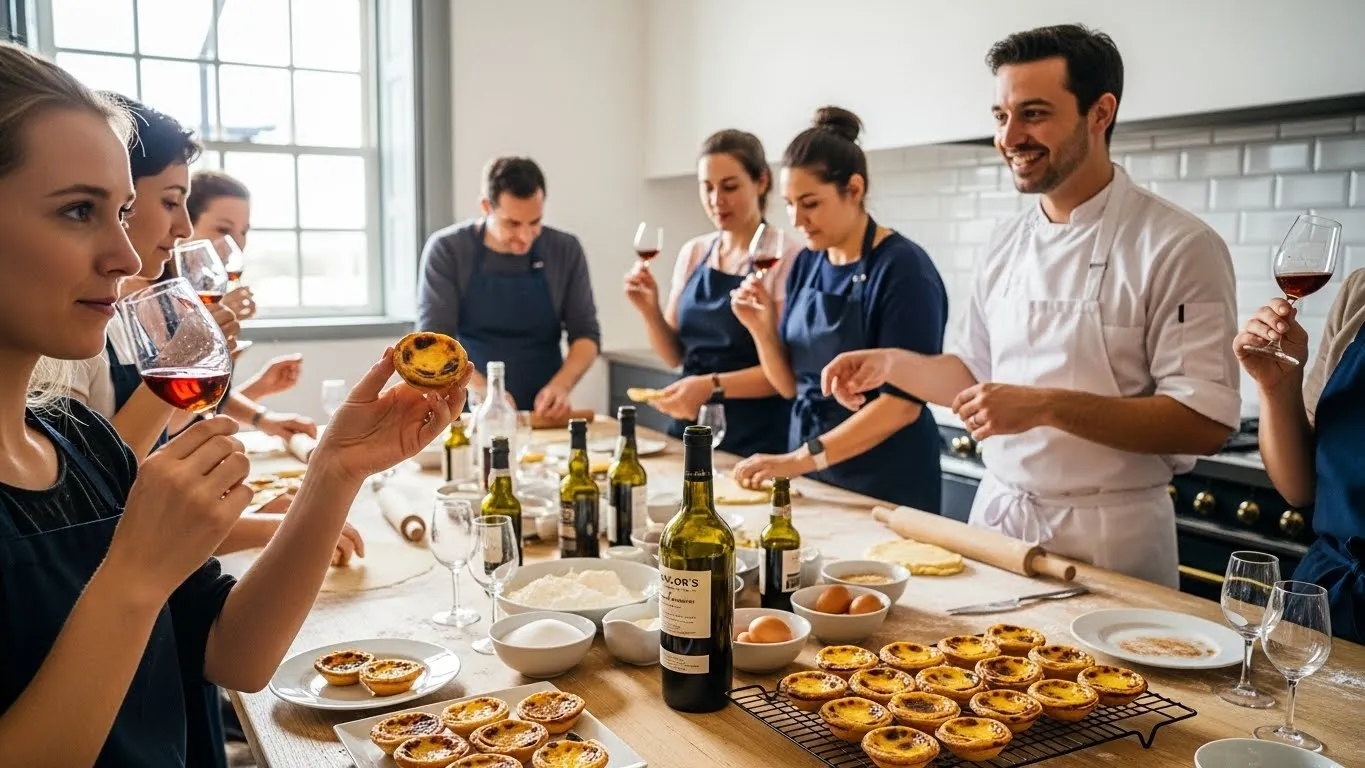
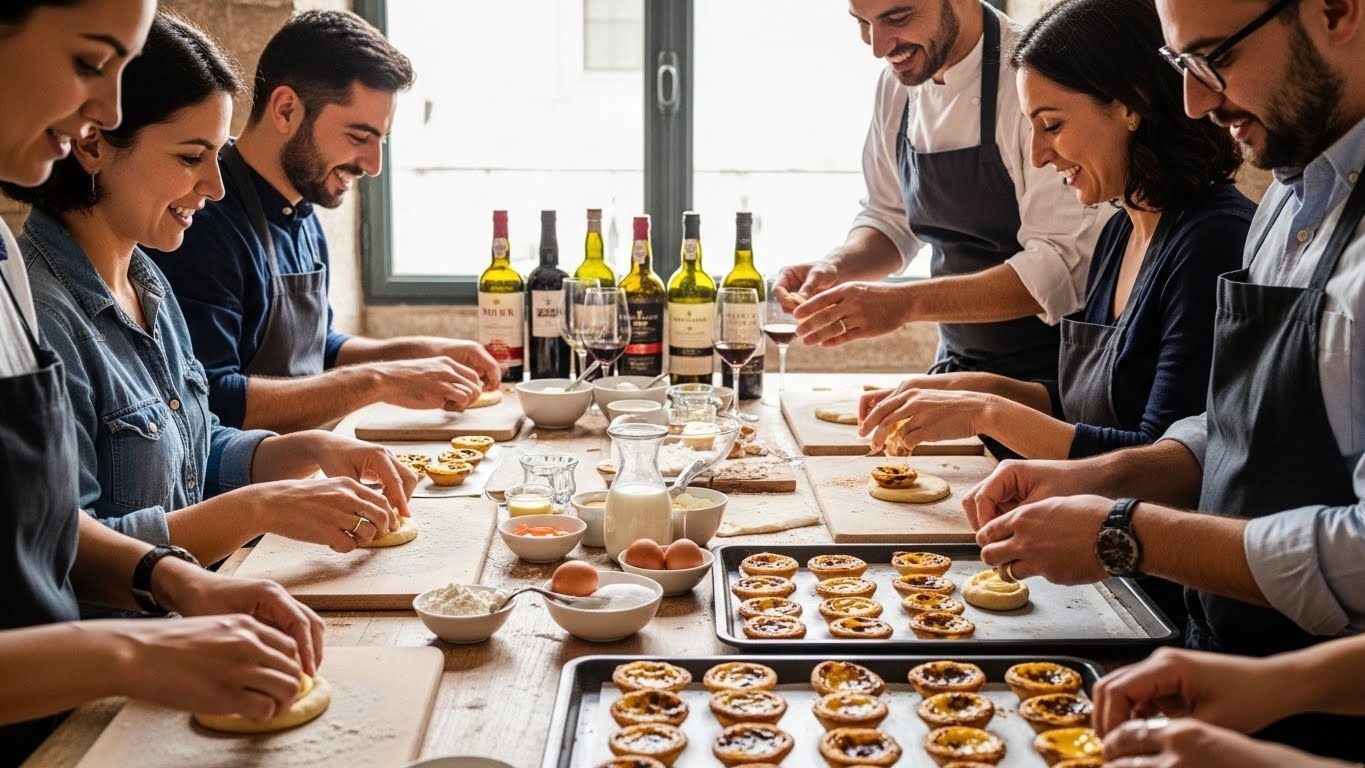
2 hr
Pastel de Nata Baking Workshop in Lagos
- Entry ticket
- Mobile voucher
- Valid same day
- Free cancellation
Pastel de Nata Making Class Lagos — Hands-On Portuguese Baking
Master the custard tart in a Lagos kitchen, flour to caramelized crown.
Compare fares, pick the fit — all bookings are mobile-voucher and eligible for free cancellation where shown.
2 hr
2 hr 30 min
1 hr 15 min
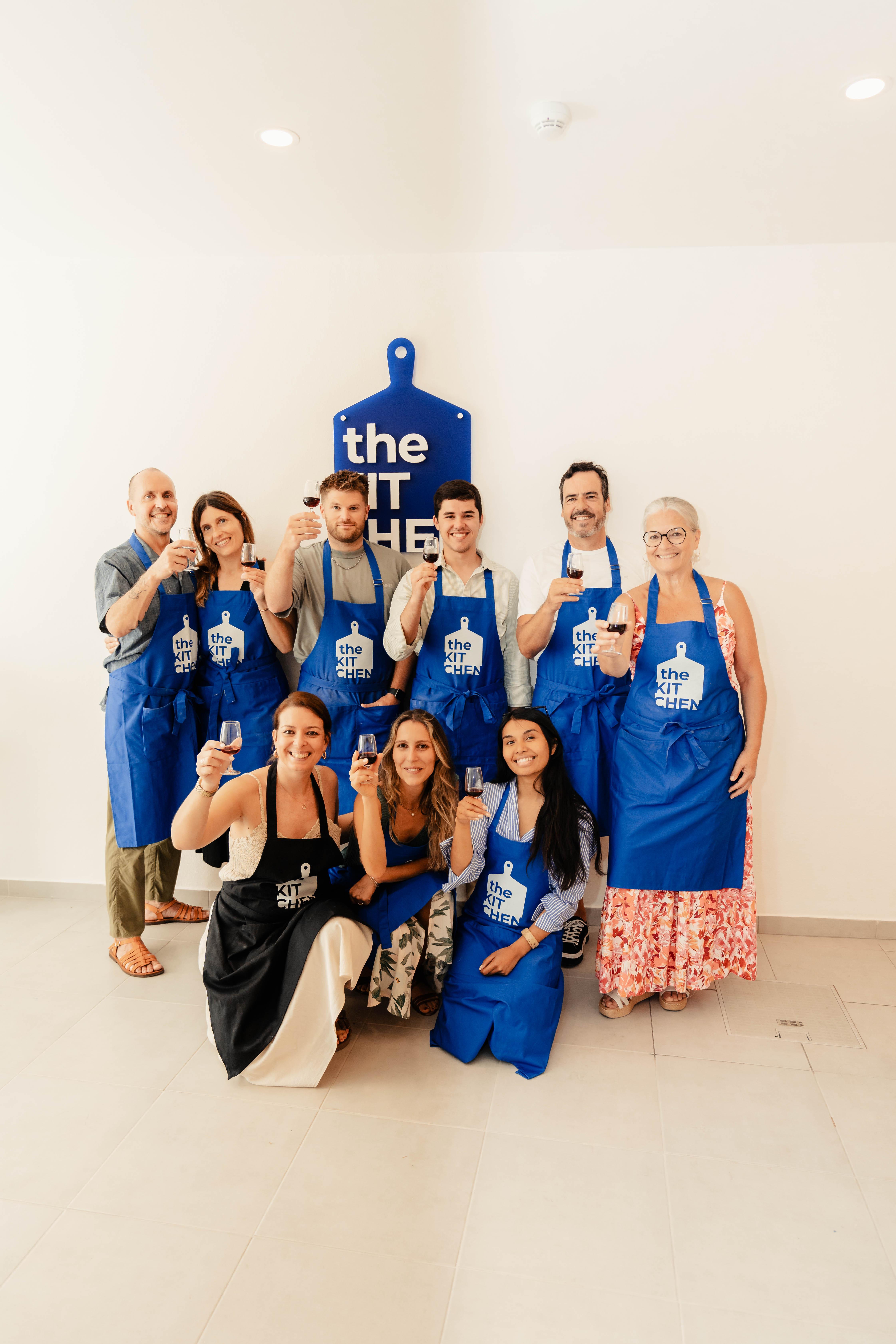
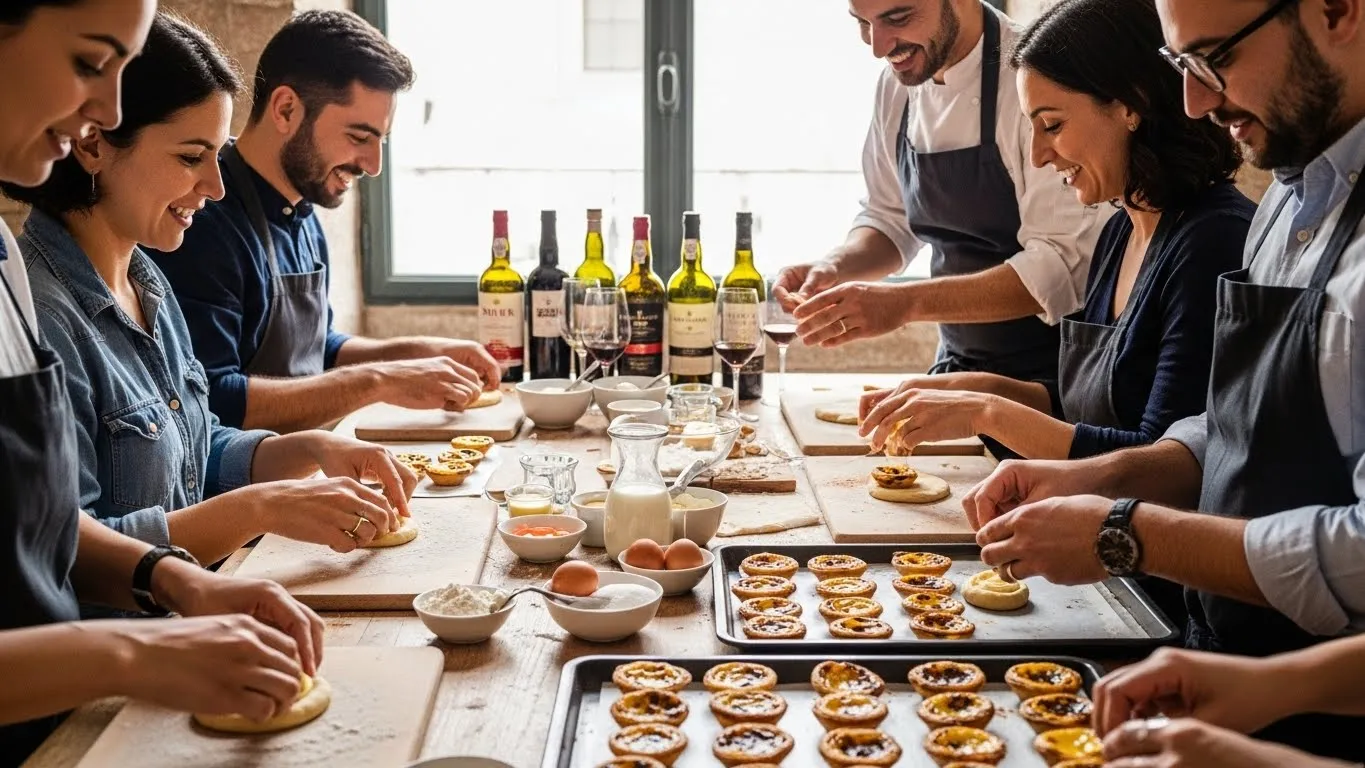
Selecting the right pastel de nata making class lagos ensures you receive a high-quality, hands-on culinary experience tailored to your group. These sessions provide an authentic way to engage with traditional Portuguese baking methods in a professional studio environment.
| Public Class Shared Workshop |
Top pick Private Class Exclusive Studio |
|
|---|---|---|
| Duration | 2 hours | 2 hours |
| Group Size | Small group | Up to 10 guests |
| Workstation | Shared table | Private reserved space |
| Included | Ingredients & recipe | Dedicated chef & studio access |
| Best for | Solo travelers & couples | Families & private groups |
| See tickets & prices |
Verdict: Choose the public pastel de nata making class lagos tour for a social atmosphere, or book the private option for a fully exclusive experience.
Worth it for hands-on culture seekers
A pastel de nata making class lagos delivers something most tours can't: genuine skill acquisition wrapped in Portuguese culinary tradition. The Pastel de Nata Baking Workshop and the Portonic Cocktail & Pastel de Nata Baking Workshop both offer professional instruction in crafting the iconic custard tart from scratch—laminating dough, mixing custard, mastering oven timing. You leave with recipes, technique confidence, and a dozen warm pastéis to take home. Compared to passive sightseeing options like the Ponta da Piedade boat or kayaking tours, this workshop trades scenic views for tactile learning and a portable skill. It's ideal for food enthusiasts, couples seeking interactive experiences, and travelers who value cultural immersion over postcard moments. The cocktail-pairing variant adds a social dimension, blending Portuguese spirits with baking fundamentals. If your Lagos visit prioritizes active participation and authentic craft traditions, the investment pays dividends long after you've returned home—every pastel de nata you bake afterward carries a piece of Portugal with it.
Bottom line: For travelers who value skill-building and edible souvenirs over sightseeing, pastel de nata making class lagos tours justify the time and cost through lasting technique and cultural connection.
They complement each other; most visitors who do both call the pastel de nata making class lagos the more intimate, hands-on experience, while the food tour offers a broader taste of regional culture.
|
Top pick Baking Workshop |
Guided Food Tour | |
|---|---|---|
| Focus | Hands-on pastry baking | Culinary sightseeing and tasting |
| Duration | 2 hours | 3–4 hours |
| Skill Level | Beginner to advanced | No skills required |
| Group Size | Up to 10 people | Typically small groups |
| Location | Professional kitchen studio | Various local restaurants |
| What you gain | Take-home secret recipe | Deep dive into local history |
| See tickets & prices |
Verdict: Choose the pastel de nata making class lagos tour for a creative, interactive afternoon, or opt for a food tour if you prefer discovering multiple local landmarks and regional specialties.
Hand-picked experiences loved by thousands of travelers
2 hours
Free Cancellation
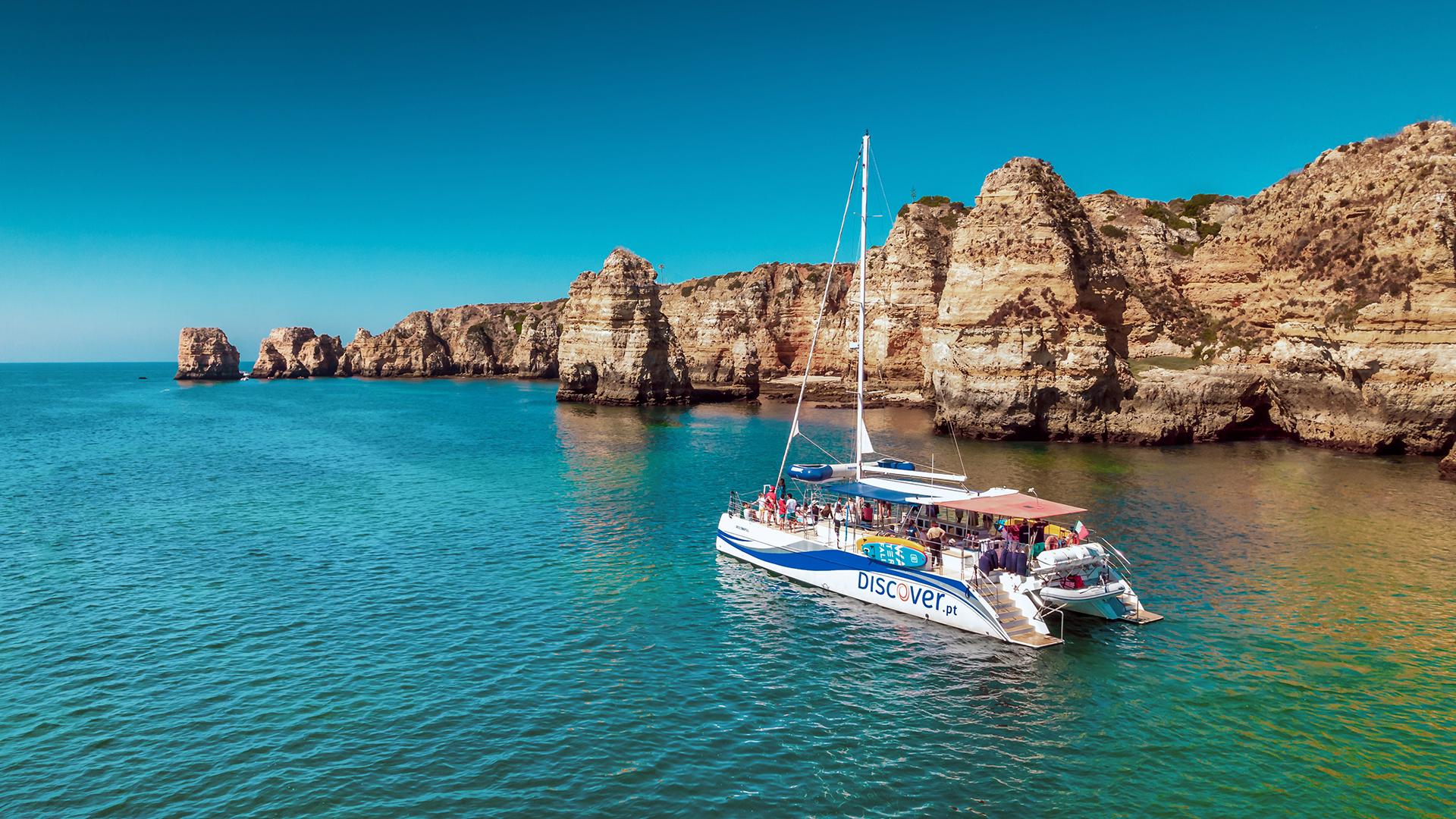
Paddle through sea caves and golden cliffs, then dive off a catamaran slide into turquoise waters
2.5 hours
Free Cancellation
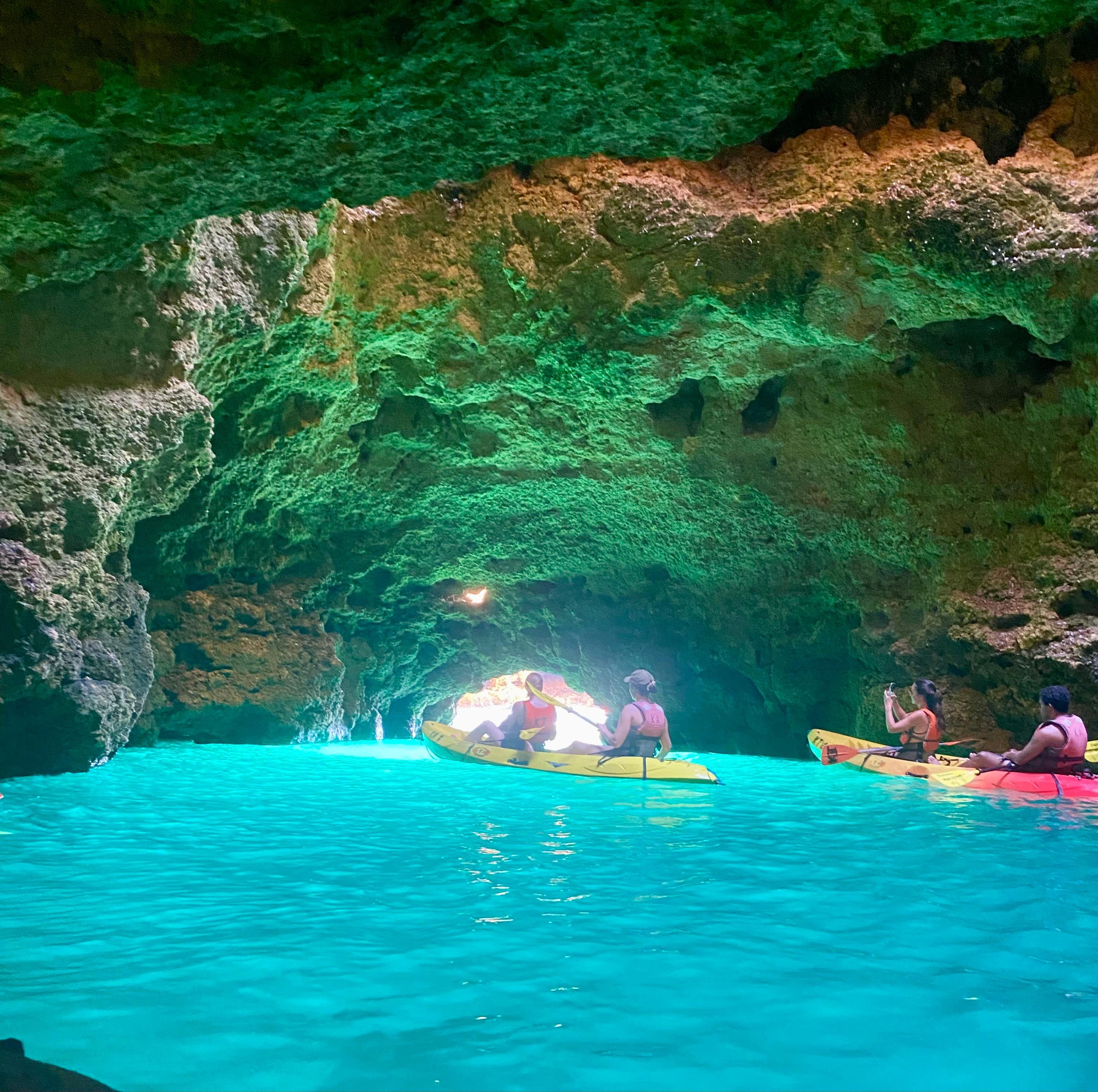
Paddle through crystal waters, explore hidden grottoes, and discover dramatic coastal rock formations
2.5 hours
Free Cancellation
Encounter wild dolphins and explore the famous Benagil sea cave on this dual-highlight coastal expedition
4 hours
Free Cancellation
Sail the stunning coastline from Lagos to Burgau with regional brunch, cave exploration, and swim stops
2 hours
Free Cancellation
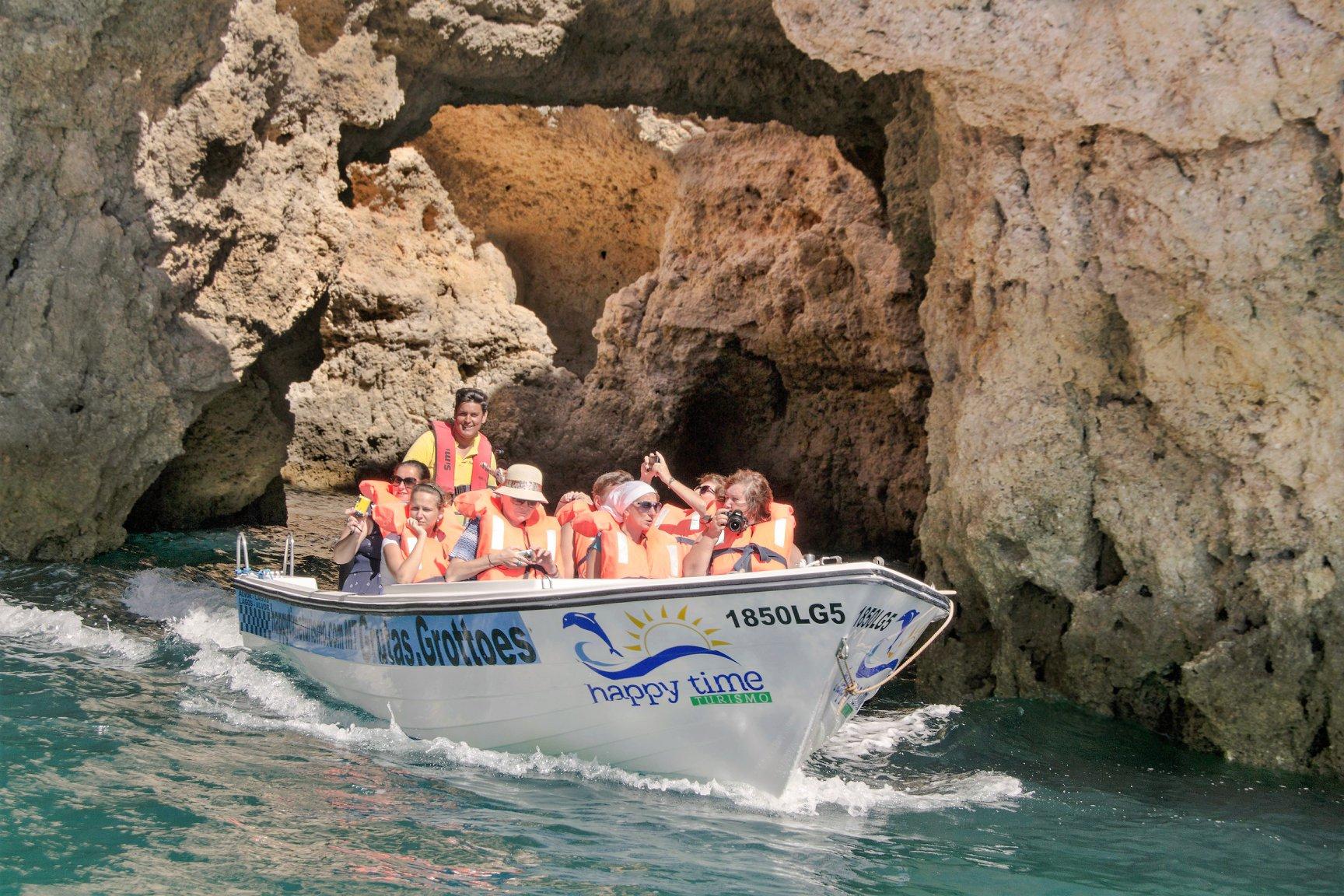
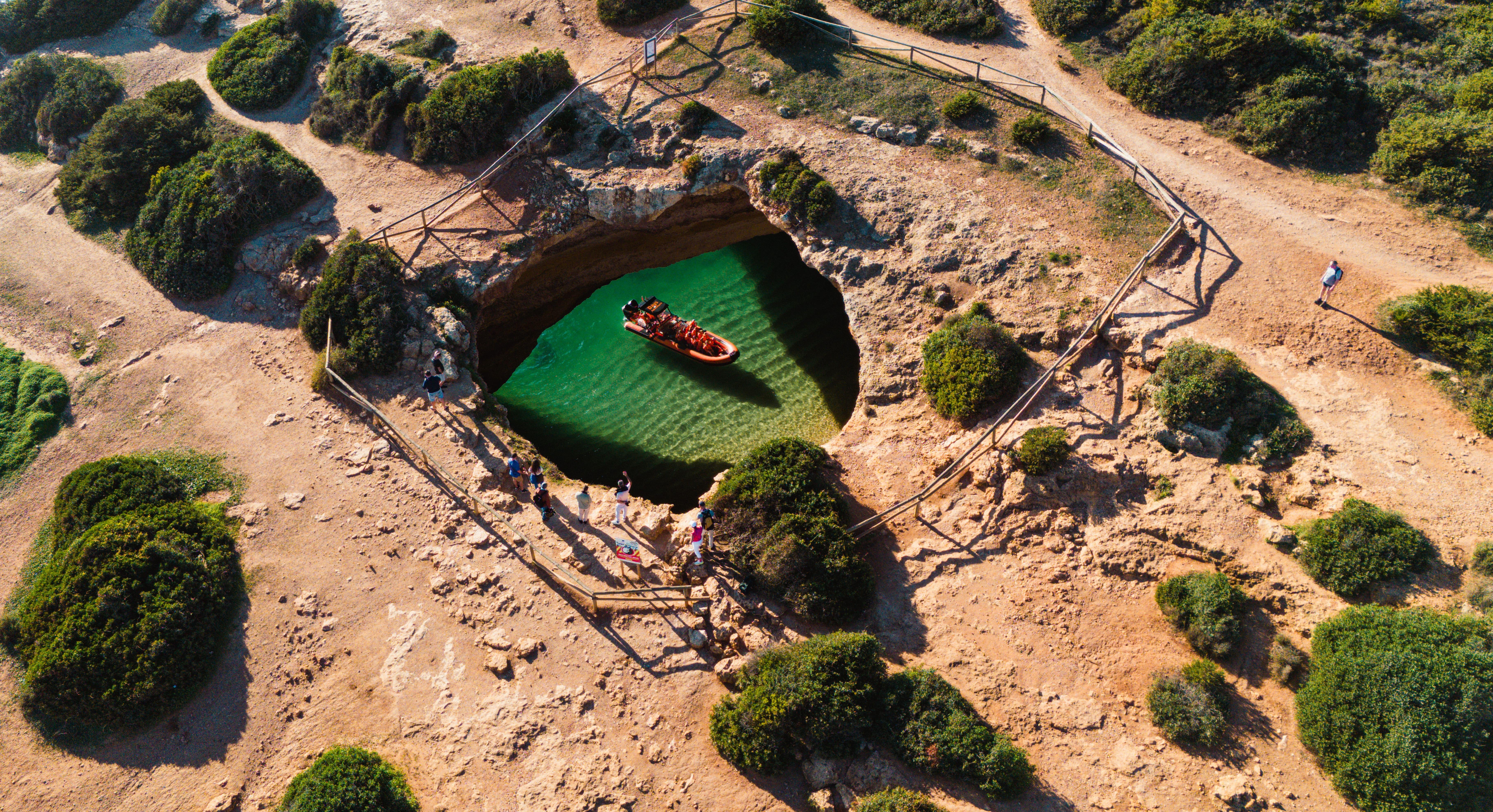
Race along the Algarve's rugged shores on a thrilling speedboat journey to the legendary Benagil Cave
2.5 hours
Free Cancellation
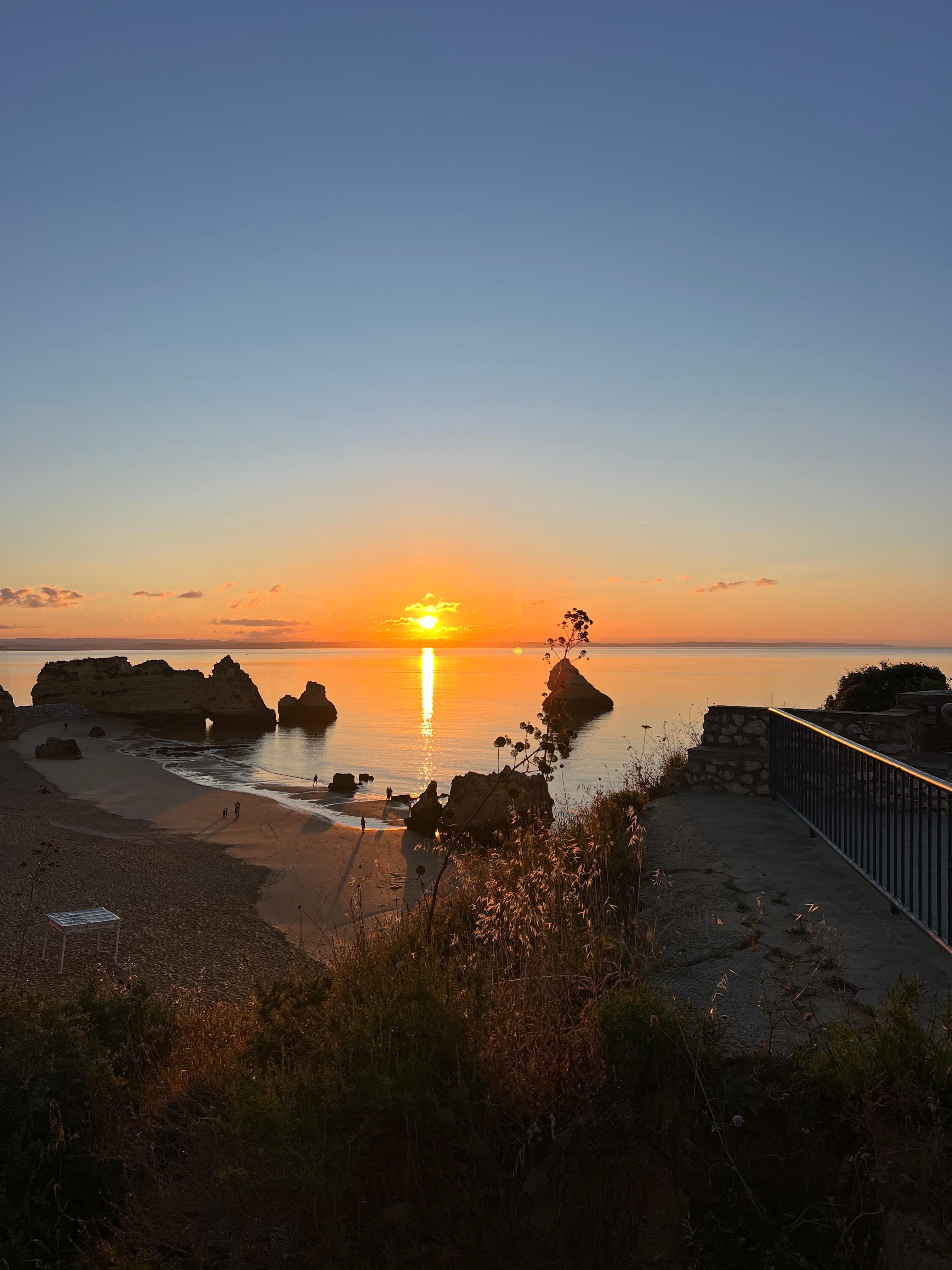
Glide through serene waters at dawn, exploring sea caves and rock formations along Lagos' stunning coastline
4 hours
Free Cancellation
Explore dramatic cliffs, leap into turquoise waters, and discover hidden marine life along Portugal's stunning coastline
2 hours
Free Cancellation
High-speed coastal adventure aboard a rigid inflatable boat to the Algarve's most spectacular sea caves
Learn the history of Portuguese egg tarts
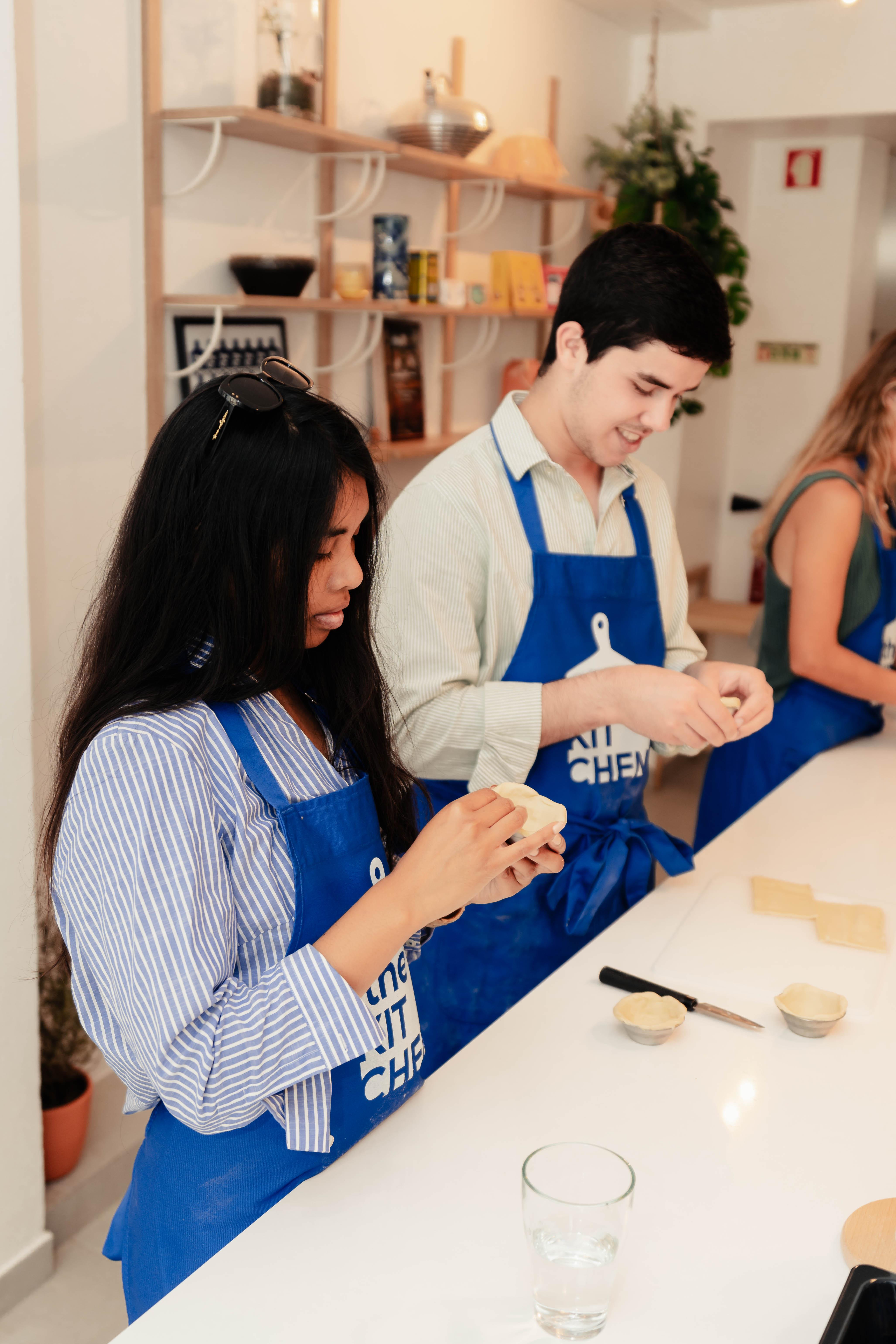
Prepare the puff pastry and custard
Monitor the tarts in the oven
Enjoy your creation with coffee
Participants whisk the traditional egg-based filling while learning the secret proportions of sugar and lemon zest to achieve a perfect glaze.
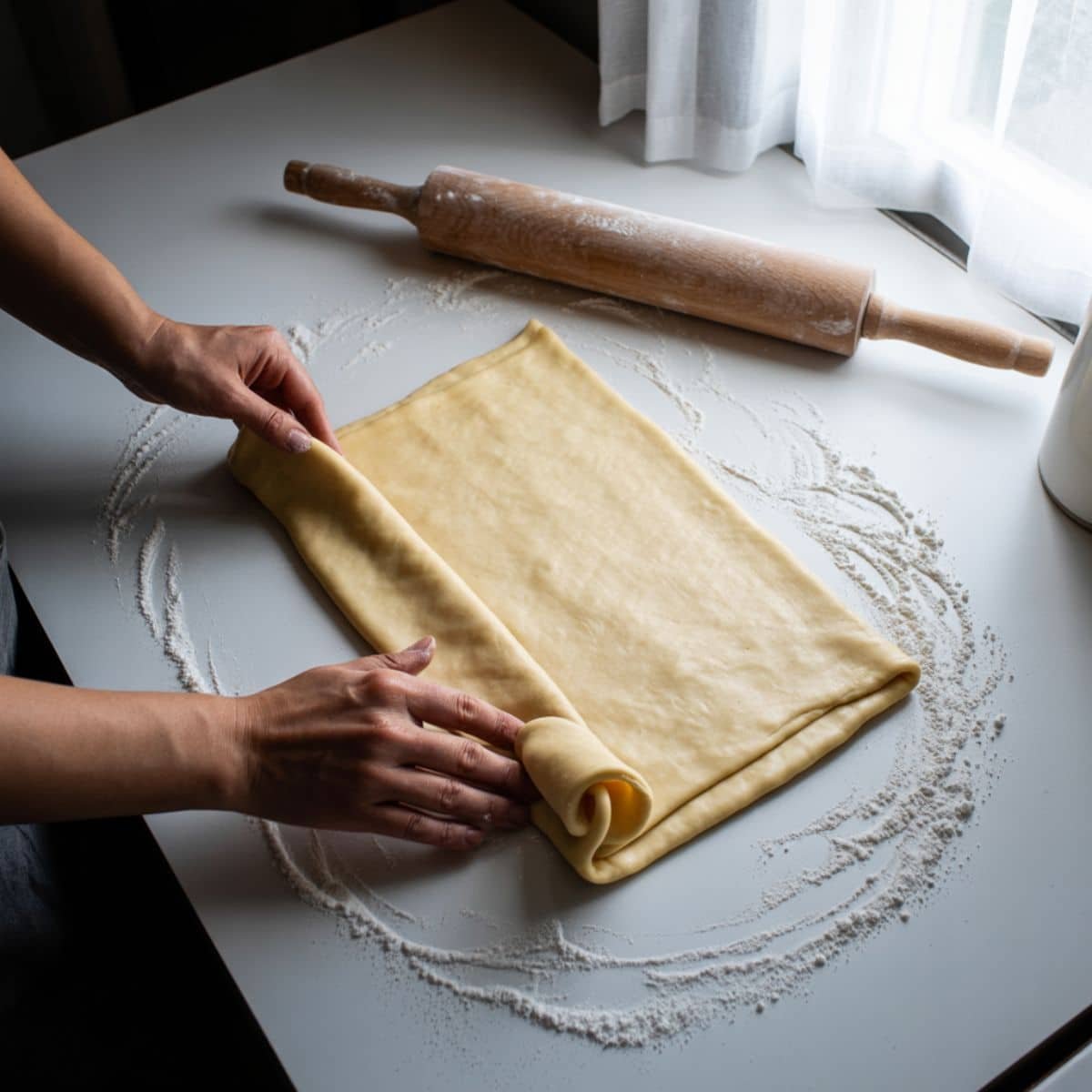
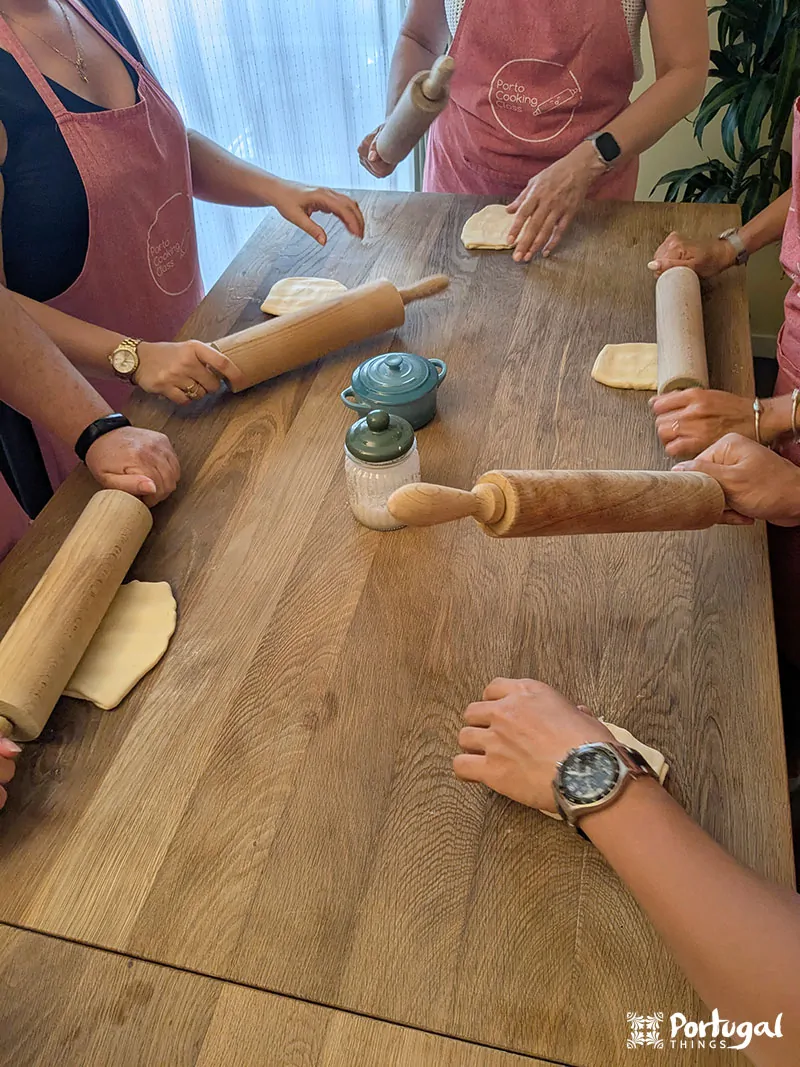
Master the specific rolling technique required to create the signature flaky layers of a classic Portuguese tart.
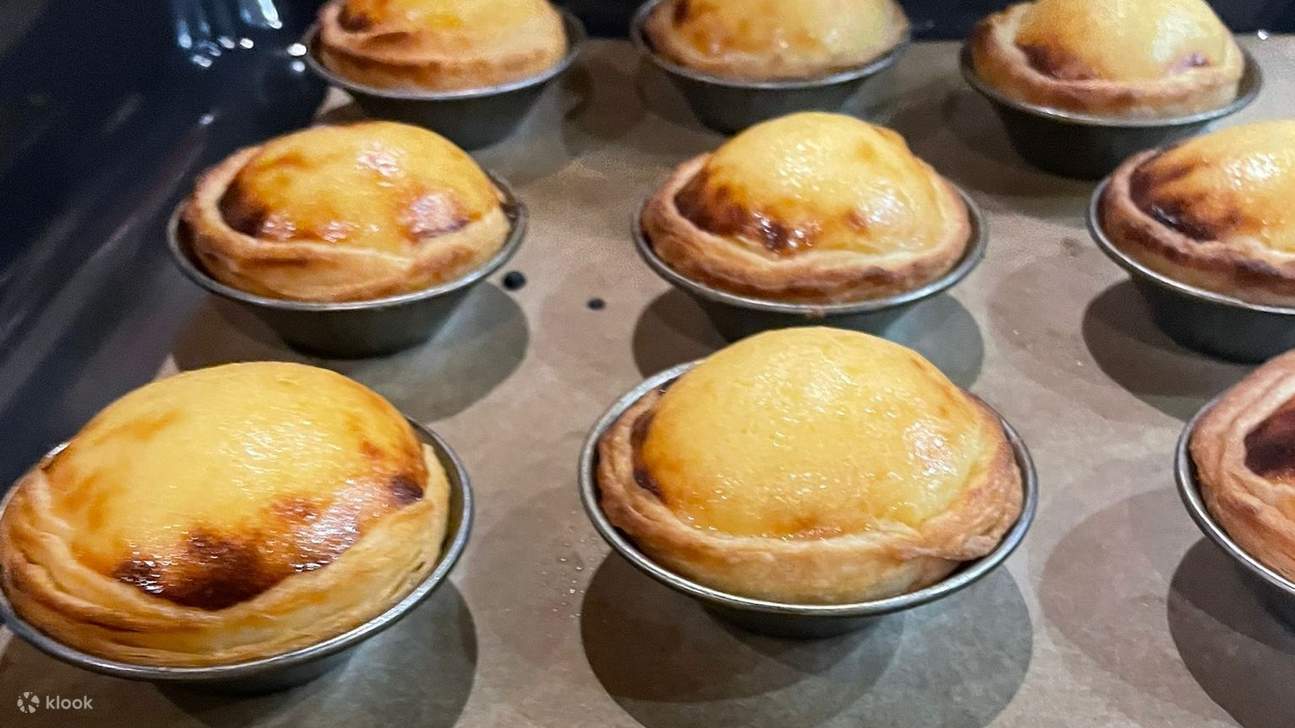
Witness the caramelization process in our professional ovens that reach the high temperatures necessary for the perfect crust.
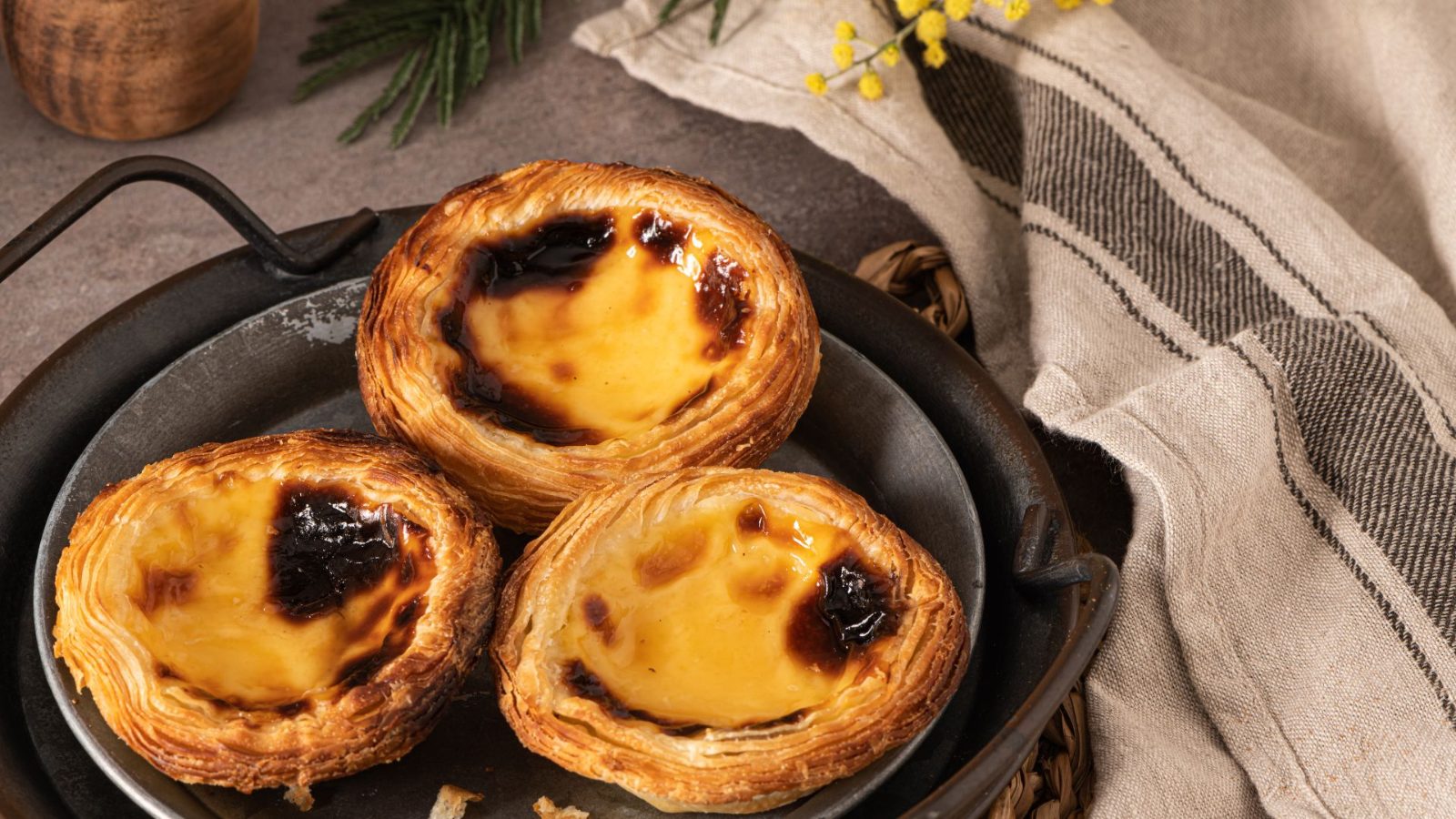
Learn the final presentation steps, including the traditional application of cinnamon and powdered sugar before serving.
Conclude the workshop by enjoying the warm tarts with a traditional cup of local Portuguese coffee.
You arrive at a residential kitchen in Lagos, the marble counter already dusted with flour, the butter chilled and waiting. The instructor, a third-generation baker, hands you an apron and begins with the puff pastry, demonstrating the folding sequence that will yield sixty-four layers by the third turn.
You work the dough yourself, feeling the butter resist and then yield under the rolling pin, the rectangle growing thinner with each pass. The custard comes next: you temper egg yolks with hot cream, whisking without pause to prevent scrambling, then add sugar and a cinnamon stick that perfumes the mixture as it thickens on the stove.
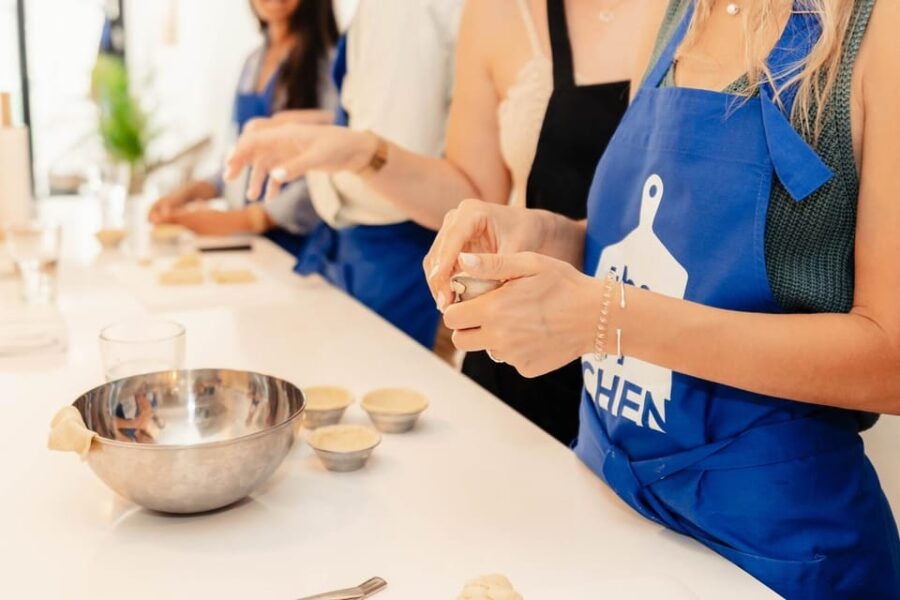
The assembly is deceptively simple. You line small tins with pastry, pressing it thin against the fluted edges, then ladle in the custard until it reaches the rim. The oven, preheated to 250 degrees Celsius, blisters the tarts in twelve minutes, the tops darkening to amber and black. You pull them out, let them cool for two minutes, then taste your work: the pastry shatters, the custard wobbles, the caramelized sugar crunches between your teeth. The instructor nods, offers a dusting of cinnamon, and hands you the printed recipe to take home.
All the details about your upcoming adventure in one place
The pastel de nata, Portugal's iconic custard tart, emerged in the eighteenth century within the cloistered walls of Lisbon's Jerónimos Monastery, where Catholic monks transformed surplus egg yolks—leftover from starching habits—into a dessert that would outlive the religious order itself.
When the monastery closed in 1834, the recipe passed to the nearby Fábrica de Pastéis de Belém, which still guards the original formula in a locked room accessible to three master bakers. The rest of Portugal, Lagos included, has spent nearly two centuries reverse-engineering that blueprint, refining ratios of cream, sugar, and puff pastry until the tart became a national emblem served in every pastelaria from Porto to the Algarve.
Lagos, a fortified port city on Portugal's southern coast, has long been a crossroads of trade, exploration, and culinary exchange. The town's maritime history—it served as a departure point for fifteenth-century expeditions to West Africa and Brazil—infused its foodways with spice, sugar, and tropical influence, but the pastel de nata remained resolutely local, a test of technique rather than exotic ingredient. Today, the pastel de nata making class Lagos offers visitors a rare window into this disciplined craft, transforming spectators into practitioners under the guidance of local bakers who have spent decades perfecting the lamination, the custard's silken texture, and the precise caramelization that distinguishes a good tart from a great one.
The workshop format strips away the mystique: participants work with cold butter, Portuguese flour, and a marble slab to achieve the tissue-thin layers that puff and shatter under the teeth. The custard itself—a cooked zabaglione of yolks, cream, sugar, and a whisper of cinnamon—requires constant vigilance; a few degrees too high and it splits, too low and it refuses to set. The final bake, conducted in a conventional oven rather than the wood-fired inferno of Belém, still demands a watchful eye: the tarts emerge golden, their crowns blistered and blackened in leopard spots, the sugar within molten and trembling. This is not a souvenir-oriented cooking demonstration but a rigorous apprenticeship compressed into a morning, one that sends visitors home with a recipe, a technique, and a newfound respect for the pastry that has defined Portuguese cafe culture for two centuries.

The pastel de nata remained resolutely local, a test of technique rather than exotic ingredient.
Casual and comfortable clothing is recommended for this pastel de nata making class lagos. Since this is a hands-on culinary experience, closed-toe shoes are suggested for safety in the kitchen.
Secure storage for personal belongings is provided during the workshop. Large luggage should be left at your accommodation prior to arriving at the venue for your pastel de nata making class lagos.
Photography is encouraged throughout the pastel de nata making class lagos experience. Guests are welcome to capture the process of folding puff pastry and preparing the custard filling.
Families are welcome, though children should be supervised during the active preparation stages of the pastel de nata making class lagos. Specific age restrictions may apply per product listing.
The venue for the pastel de nata making class lagos is fully accessible for wheelchair users. Please indicate any specific mobility requirements during the booking process.
Participants will consume the items prepared during the workshop as part of the class. No outside food or drink is permitted during the session.
Opening Hours
09:00–18:00
Address
Lagos, Portugal (Location confirmed upon booking)
Mobility
Wheelchair accessible venue
Best Window
09:00–18:00
Storage
Limited space available
Navigation
Follow booking confirmation instructions
Walk · 5–10 min · 0 EUR
The venue is centrally located within the historical district of Lagos.
Taxi · 5 min · Varies
Local taxis or rideshare apps are available to reach the venue from the marina.
Cancellations made at least 48 hours in advance are eligible for a full refund. The 0 EUR entrance fee does not apply as this is a workshop requiring a pre-booked class fee.
Recommended time
3-4 hours
Participating in a pastel de nata making class lagos typically requires a half-day commitment to cover dough preparation and custard filling. These pastel de nata making class lagos tours are structured to ensure sufficient time for cooling and tasting your baked goods, so plan to arrive at your confirmed booking time to avoid rushing. If you intend to combine this with other Lagos landmarks or a boat trip, allow extra time for transit between activities when securing your pastel de nata making class lagos tickets.
Crowd levels through the day
Weather · crowds · average price — dots go green to amber to red as each metric rises.
September offers pleasant temperatures around 25°C, making it an ideal time for a pastel de nata making class lagos tour. Crowds are thinner than in mid-summer.
November to February features cooler weather, perfect for indoor kitchen activities. It is a quiet season for those seeking fewer tourists.
March to May brings mild weather and blooming flora, enhancing the experience of visiting local Lagos landmarks.
June to August is busy, so booking your pastel de nata making class lagos tickets well in advance is recommended.
Reserve your pastel de nata making class lagos tickets online to secure your preferred slot. Classes often fill up during peak weekend hours.
Plan to arrive at your confirmed booking time to ensure you do not miss the introduction. Use the 09:00–18:00 window to schedule your arrival.
Read your confirmation email carefully as it contains the specific location of the bakery. Feel free to ask questions about traditional ingredients during the session.
The pastel de nata traces its lineage to the Jerónimos Monastery in Lisbon, where Catholic monks created the custard tart before 1837 using surplus egg yolks left from starching clothes. When liberal revolutions closed convents across Portugal, the recipe passed into lay hands. By the 1840s, the Antiga Confeitaria de Belém had secured the secret formula and began commercial production, cementing the pastry's place in Portuguese culture. Lagos, perched on the Algarve coast, remained outside this early custard corridor. Fishing and maritime trade dominated the town's economy through the nineteenth century, and local bakeries favored almond-based sweets tied to Moorish tradition. The pastel de nata making class Lagos phenomenon emerged only in the twenty-first century, driven by culinary tourism. Small workshops appeared after 2010, teaching visitors the laminated dough technique and custard tempering that define an authentic tart. Local bakers adapted the Lisbon method to Algarve kitchens, substituting regional butter and adjusting oven temperatures for coastal humidity. By 2015, hands-on baking sessions had become a staple of Lagos tours, competing with surf schools and boat trips for visitor attention. The classes preserved traditional hand-rolling methods even as industrial bakeries adopted mechanized pastry sheeters. Participants learned to achieve the signature caramelized crown without overbaking the custard center, a balance that separates amateur attempts from professional results. Today's pastel de nata making class in Lagos operates from renovations of eighteenth-century townhouses and purpose-built teaching kitchens near the marina. Instructors emphasize the 1837 Belém formula while acknowledging Algarve variations that incorporate local cinnamon and lemon zest. The workshops occupy a middle ground between heritage preservation and commercial experience design, offering tactile connection to a recipe that survived monastic dissolution, republican upheaval, and mass tourism without losing its structural integrity.
Jerónimos monks in Lisbon perfect egg-yolk custard tarts using convent surplus.
Liberal revolution closes Portuguese monasteries; recipe enters civilian commerce.
Antiga Confeitaria de Belém secures original formula and begins public sales.
Culinary tourism drives first hands-on pastel de nata workshops in Lagos.
Baking classes become standard offering in Algarve tourism packages.
Lagos workshops blend traditional hand techniques with modern teaching kitchens.
Stand at the end of the stainless steel prep table to capture the dusting of cinnamon over the golden pastry. This angle highlights the texture of the crust and the creamy custard center during your pastel de nata making class lagos.
Position your camera directly above the wooden work surface to frame the rolling pins and freshly cut dough circles. This top-down perspective captures the raw ingredients before they head into the oven for the pastel de nata making class lagos tour.
Capture the transition from pale pastry to caramelized tops by standing slightly to the side of the oven glass. This spot is perfect for documenting the visual evolution of the tarts in our pastel de nata making class lagos tours.
Place your finished tarts on a clean, bright ceramic tile background near a window to showcase the final product. Access to this setup is available upon request after the pastel de nata making class lagos tickets are processed.
Participating in a pastel de nata making class lagos is an engaging way for families to connect with Portuguese culinary traditions. These hands-on workshops are designed to accommodate various skill levels, making it a practical activity for those seeking an interactive experience with their children.
Children aged 6 and older generally find the most success with rolling dough and filling the custard tarts, though younger children may enjoy watching the baking process. Please ensure you check specific age requirements when purchasing your pastel de nata making class lagos tickets.
As these workshops are hosted in private kitchen spaces, please contact the provider regarding space for strollers before arriving. Most venues in the city center are compact, so a carrier is often more convenient for families with toddlers during your pastel de nata making class lagos tour.
Confirm whether the selected kitchen location offers baby-change facilities directly with the host upon booking. Since this is an interactive culinary experience, consider bringing an apron for your child if the host does not provide smaller sizes for these pastel de nata making class lagos tours.
Children are encouraged to get involved with the dough preparation and oven handling under adult supervision. This creative baking session offers a great opportunity for families to learn the craft of puff pastry and egg cream in a supportive environment.
After completing your pastel de nata making class lagos, explore the nearby historic center for authentic Algarve flavors. While there is no on-site dining, the surrounding streets offer numerous cafes and traditional kitchens to enjoy a full meal after your baking workshop.
A bright spot perfect for light lunches and fresh salads. It is an ideal stop to balance the sweetness of your custard tarts with savory Mediterranean options.
This restaurant offers refined local seafood and regional wine pairings. It provides a relaxed atmosphere to reflect on your culinary progress following your pastel de nata making class lagos tour.
A local favorite for traditional breads and quick snacks. Grab a savory empanada or a coffee if you are waiting for your pastel de nata making class lagos tickets to be validated.
Known for traditional Portuguese stews and cataplanas. This venue is popular for dinner, so booking ahead is recommended after finishing your pastel de nata making class lagos tours.
Everything you need to know for your journey
The facility is open Monday through Sunday, 09:00–18:00. Please ensure you arrive at your confirmed booking time.
Yes, the venue for the pastel de nata making class lagos is fully accessible for all participants.
No, all necessary tools are provided by the kitchen for your pastel de nata making class lagos tour.
Age restrictions depend on the specific booking, but all minors must be accompanied by an adult. It is a family-friendly pastel de nata making class lagos experience.
You can reach the location by walking or taxi within Lagos, Portugal. The exact address is confirmed after you purchase your pastel de nata making class lagos tickets.
Yes, you are encouraged to take photos during your pastel de nata making class lagos. Sharing your baking journey is part of the fun.
Cancellations 48 hours prior to the start time are eligible for a full refund. This policy applies regardless of the 0 EUR entrance fee, as the class requires a specific pre-booked fee.
Most sessions last approximately 2 hours, including baking and tasting time. Check your specific booking for the exact duration of your pastel de nata making class lagos.
Yes, private group sessions for a pastel de nata making class lagos can be arranged upon request.
Dramatic limestone cliffs and sea caves define this famous coastal stretch.
A scenic area featuring numerous yachts and waterfront dining options.
This historic church contains ornate gilded woodwork and traditional tiles.
A beautiful sandy cove located near the city center walls.
Upscale hotel with extensive amenities.
Well-located hotel with rooftop terrace access.
Central accommodation ideal for travelers on a budget.
Join thousands of happy travelers who have discovered this incredible experience
Book Your Experience Now