

Quick answer
A pastel de nata course in Lagos covers three core techniques: laminated puff pastry construction with butter layers, egg custard preparation using traditional ratios, and blast-baking at 250°C to achieve the characteristic dark spots. Most workshops run two hours and include ingredient sourcing guidance, temperature control methods, and troubleshooting common failures like soggy bases or split custard.
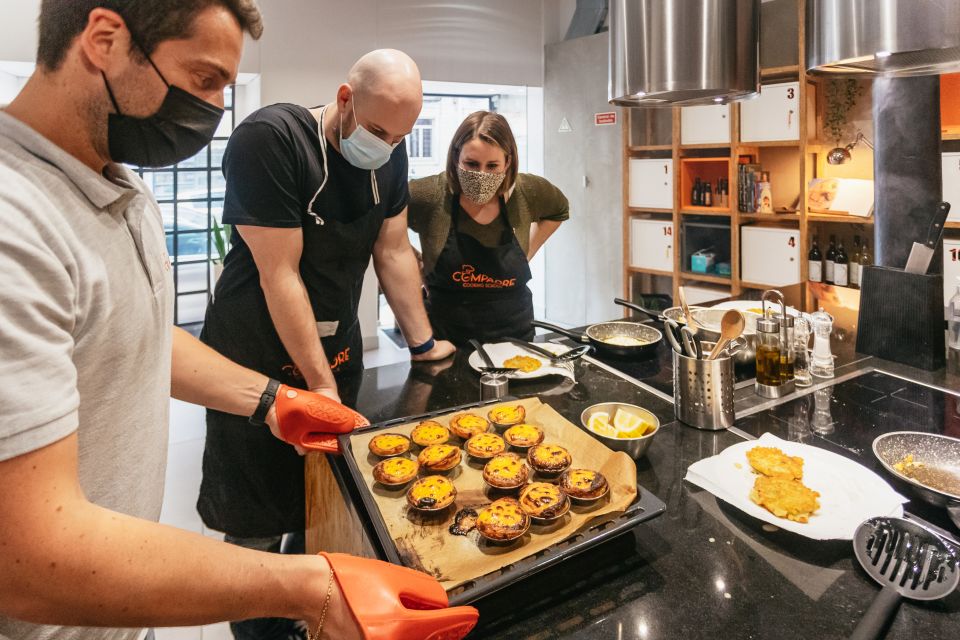
The workshops begin with dough lamination, the foundation skill that separates professional nata from home attempts. Instructors demonstrate the folding sequence that creates dozens of butter-and-flour layers, the structural engineering behind the tart's flaky shell. Participants measure cold butter blocks, work the dough through six-fold cycles, and learn why resting intervals matter more than mixing speed. The process mirrors techniques used in Lisbon's oldest pastry houses, adapted for small-batch production. Custard formulation occupies the second teaching block. The filling requires precise egg yolk ratios, sugar syrup timing, and cream temperature control—variables that shift the texture from runny to set. Students temper hot syrup into yolks without scrambling, add flour as a stabilizer, and strain the mixture twice to eliminate lumps. The recipe handed out includes metric measurements and troubleshooting notes for altitude or humidity adjustments, practical detail absent from most published versions. Baking instruction focuses on the Algarve's commercial convection ovens, which replicate the hearth conditions of Belém's monastery kitchens. Tarts enter at maximum heat to puff the pastry, then instructors monitor surface caramelization through oven windows, pulling trays when the custard develops its signature leopard-spot char. Participants taste the difference between underbaked pale custard and properly scorched tops, a sensory calibration that recipes cannot teach. The final fifteen minutes cover storage, reheating protocols, and the cinnamon-versus-no-cinnamon debate that divides Portuguese bakers. Each session concludes with a tasting comparison: student-made tarts against a reference batch from a local pastelaria. Instructors explain why slight variations in egg freshness or oven spring change the final product, demystifying the gap between workshop results and century-old benchmark standards. Participants leave with recipe cards, a list of European suppliers for Portuguese flour and cinnamon, and realistic expectations about home oven limitations.
“The folding sequence that creates dozens of butter-and-flour layers is the structural engineering behind the tart's flaky shell.”
Curriculum and Learning Objectives for a Pastel De Nata Course Lagos
A typical pastel de nata course in Lagos runs for two hours and guides participants through the complete baking process, from preparing laminated dough to mastering the custard filling. Each session covers professional techniques used in Portuguese pastry shops, with hands-on practice at every stage.
Prepare the laminated dough base
Begin by learning the folding technique that creates the pastry's signature flaky layers. The instructor demonstrates how to achieve the correct butter-to-dough ratio and temperature control—most beginners press too hard during folding, which compromises the layers.
Roll and shape the dough
Practice cutting and rolling the laminated dough into tight spirals that will form the tart shells. The key is maintaining even pressure while rolling from the center outward; uneven rolls result in lopsided shells that bake unevenly.
Mix the custard filling
Combine egg yolks, sugar, milk, and flour to create the creamy custard, then learn the precise heating technique that prevents curdling. Timing the heat reduction is critical—overcooking by even thirty seconds will cause the mixture to separate and lose its smooth texture.
Fill and bake the tarts
Pour the custard into the prepared shells, filling them three-quarters full to allow for expansion during baking. The instructor shows you how to recognize the ideal caramelization on top, which occurs at exactly the right oven temperature and timing.
Finish with caramelization technique
Learn to achieve the characteristic dark spots on the custard surface by adjusting oven position or using a kitchen torch. This final browning step requires close attention—the window between perfectly caramelized and burnt is less than one minute.
Typical Time-Slotted Session at a Pastel De Nata Course Lagos
A typical pastel de nata workshop in Lagos runs for two hours, balancing hands-on preparation with baking time and a relaxed tasting session. This schedule suits participants joining either the 10:00 or 15:00 slot.
Welcome and ingredient briefing
Arrive at the studio and meet your instructor, who introduces the key ingredients—flour, eggs, sugar, cinnamon—and explains the role of each in achieving the custard's silky texture and the pastry's signature crunch. Takes roughly 10 minutes.
Prepare the puff pastry
Roll and fold butter into the dough under guidance, learning the lamination technique that creates flaky layers. This stage demands focus but moves quickly, typically wrapping up in 20 minutes.
Mix and cook the custard
Whisk egg yolks with hot sugar syrup on the stove, watching the mixture thicken to a glossy cream. Your instructor monitors temperature closely to prevent curdling; allow 15 minutes.
Assemble and bake
Line molds with pastry rounds, pour in custard, and transfer trays to a preheated oven. Baking takes 15–18 minutes at high heat to develop the caramelized spots on top.
Cool and finish
Remove tarts from the oven and let them rest for a few minutes while the custard sets. Dust with cinnamon and powdered sugar as they reach room temperature.
Taste your work
Sample warm tarts alongside Portuguese coffee or tea, comparing your batch to a professional reference. The instructor shares storage tips and answers recipe questions during this 20-minute break.
Pack and depart
Box any remaining tarts to take home, collect printed recipes, and say goodbye. Most participants leave within 10 minutes, with directions to nearby cafés if they wish to explore further.
Opening Hours for a Pastel De Nata Course Lagos
The studio is open daily to accommodate visitors interested in our pastel de nata courses in Lagos.
| Monday | 10:00–17:00 | |
|---|---|---|
| Tuesday | 10:00–17:00 | |
| Wednesday | 10:00–17:00 | |
| Thursday | 10:00–17:00 | |
| Friday | 10:00–17:00 | |
| Saturday | 10:00–17:00 | |
| Sunday | 10:00–17:00 |
Preparation Checklist for Your Pastel De Nata Course Lagos
Complete these steps before your cooking workshop to ensure a smooth arrival and hands-on experience.
-
Book your slot in advance — Classes run at 10:00 and 15:00 and require prior booking through the official site.
-
Note the exact studio address — The precise location in Lagos will be provided in your booking confirmation email.
-
Arrive 10 minutes early — This allows time for check-in and introduction before your 2-hour workshop begins.
-
Bring an apron if preferred — The studio provides equipment, but you may bring your own apron for comfort.
-
Save the contact number — Keep +351911701055 accessible in case you need directions or have questions on the day.
Check availability
Common Questions About Pastel de Nata Course Lagos
Everything you need to know about pastel de nata course lagos