

Quick answer
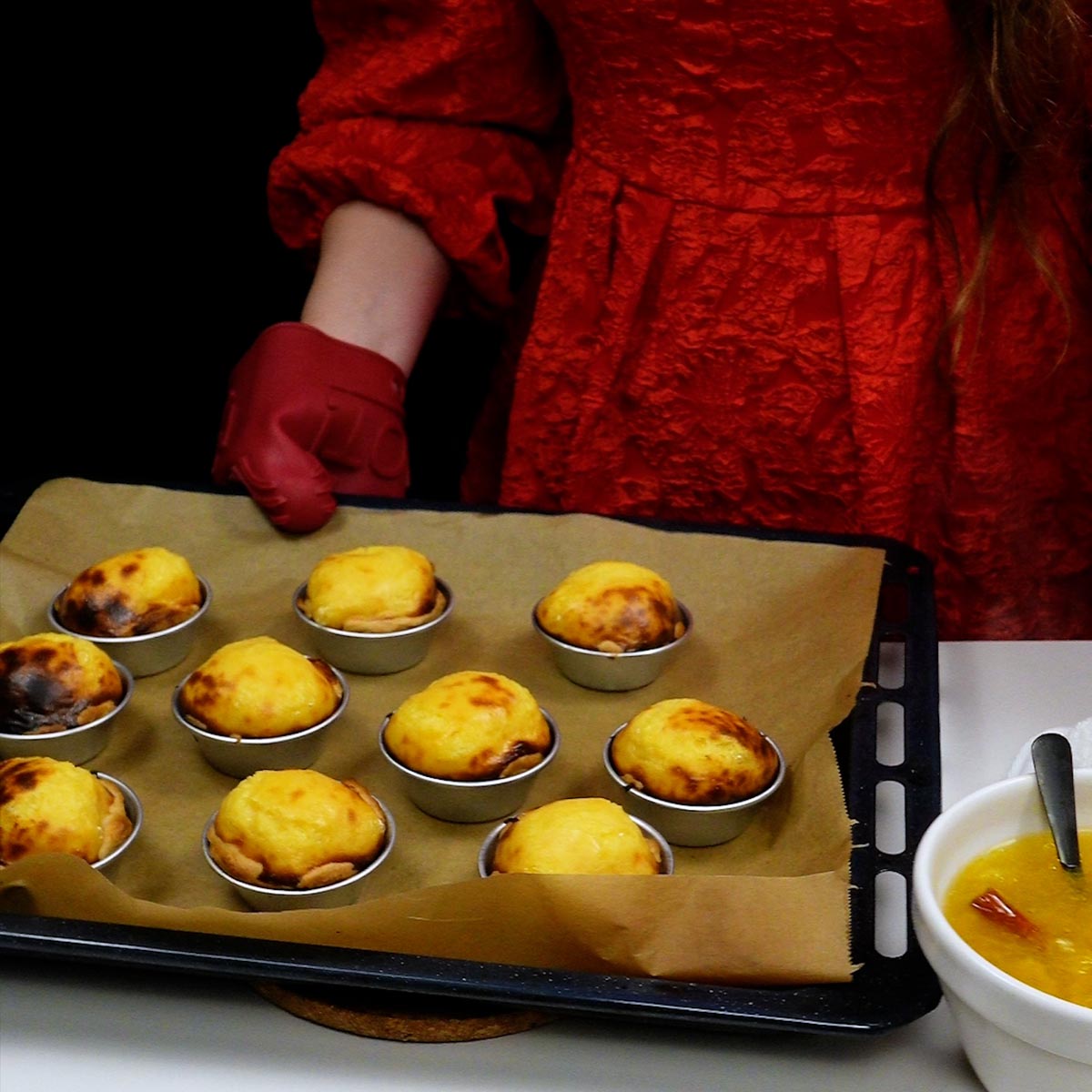
Pastel de nata require 20 to 25 minutes in a wood-fired or conventional oven at 290°C, the final stage of a process that includes 90 minutes of dough preparation and 30 minutes of custard making. The tarts emerge with blistered, caramelized tops when the oven reaches the correct temperature. Lagos cooking classes guide participants through every step, from rolling puff pastry to timing the exact moment the custard sets and the surface begins to char.
A proper pastel de nata demands three distinct phases, each with its own rhythm and attention. The laminated dough comes first: mixing, resting, and folding butter into thin layers over roughly 90 minutes, including chilled intervals that allow gluten to relax and fat to firm. Instructors in Lagos emphasize this foundation because shortcuts here collapse in the oven. The custard follows—a stovetop emulsion of egg yolks, sugar, milk, flour, and sometimes cinnamon or lemon zest—whisked constantly for 20 to 30 minutes until it thickens to a coating consistency without curdling. The pastel de nata cooking time itself spans 20 to 25 minutes at temperatures between 280°C and 300°C, hotter than most home recipes suggest. Traditional wood-fired ovens in Portugal reach these peaks naturally; electric ovens in Algarve classes replicate the effect with top-down heat that blisters the custard surface while the pastry puffs and browns. Participants learn to watch for visual cues: the custard should tremble but not slosh, and dark caramel spots should appear across the top without burning the rim. Rotating trays halfway through ensures even exposure, especially in convection ovens where airflow can scorch one side. Cooling adds another 15 minutes before the tarts release cleanly from their molds. Rushing this stage risks tearing the delicate pastry or spilling molten custard. Lagos classes schedule the full sequence—prep, bake, and rest—within a two-and-a-half to three-hour window, leaving time for tastings and technique notes. The caramelized shell, crisp flake, and wobbling center depend on respecting each interval, from the patient lamination at the start to the final minutes when sugar turns to amber under high heat. Classes operate daily from 09:00 to 18:00, with morning sessions preferred for cooler ambient temperatures that ease dough handling and for natural light that reveals the exact shade of golden brown bakers aim for. Understanding baking duration for Portuguese tarts helps visitors choose the right class length and arrive prepared for hands-on work. The tarts themselves are free to enjoy after baking, though structured sessions that teach traditional methods provide context no recipe card can match.
“The caramelized shell, crisp flake, and wobbling center depend on respecting each interval, from the patient lamination at the start to the final minutes when sugar turns to amber under high heat.”
Typical Pastel De Nata Cooking Time and Class Itinerary
A typical pastel de nata cooking class in Lagos runs 2–3 hours, covering dough preparation, filling assembly, baking, and tasting. This breakdown helps you plan your morning or afternoon around the full experience.
Introduction and Ingredient Review
Your instructor explains the origin of pastéis de nata and walks through the key ingredients—flour, butter, sugar, egg yolks, and cinnamon. Allow 15 minutes for this overview and any questions.
Laminated Dough Preparation
You fold and roll the puff pastry layers, a process that takes 30–40 minutes including resting intervals to keep the butter cold. This step determines the flakiness of the final shell.
Custard Filling Assembly
Mix the egg yolk custard with sugar syrup and a hint of lemon zest, then pipe it into the pastry shells. This stage takes roughly 20 minutes and requires a steady hand for even distribution.
Baking at High Heat
Tarts bake at 250–280°C for 12–15 minutes until the tops caramelize with dark spots. You'll monitor the oven closely to catch the moment the custard sets and the edges blister.
Cooling and Tasting
Let the pastéis rest for 5–10 minutes so the custard firms up without burning your tongue. Your instructor will offer coffee or tea while you sample your work and compare notes with other participants.
Wrap-Up and Recipe Handout
Collect printed recipes, tips for replicating the tarts at home, and any leftover pastries to take away. Classes typically conclude by 11:00 or noon depending on group size.
Optimal Pastel De Nata Cooking Time for Fresh Results
The optimal time to participate in a pastel de nata cooking class in Lagos is within the 09:00–17:00 arrival window. This period ensures access to the best natural light for preparing the delicate puff pastry and timing the baking process for the freshest results.
Weekday mornings
Minimal congestion—
Morning sessions provide the quietest environment for detailed instruction on custard preparation.
Shoulder season (May/September)
Moderate tourist volumeMild temperatures (20–25°C)
Pleasant conditions make for a comfortable kitchen environment without peak summer heat.
Mid-afternoon (14:00–17:00)
Consistent attendance—
These hours offer stable conditions for the multi-stage baking required to achieve the signature caramelized top.
Verdict: For the highest quality results and instruction, plan your arrival for 09:00, ideally during the shoulder months of May or September.
Lagos Cooking Class Opening Hours and Pastel De Nata Cooking Time Availability
The cooking class facility in Lagos operates daily to accommodate those interested in learning the traditional pastel de nata preparation and baking process.
| Monday | 09:00–18:00 | |
|---|---|---|
| Tuesday | 09:00–18:00 | |
| Wednesday | 09:00–18:00 | |
| Thursday | 09:00–18:00 | |
| Friday | 09:00–18:00 | |
| Saturday | 09:00–18:00 | |
| Sunday | 09:00–18:00 |
Pastel De Nata Cooking Time and Participation Fees
Participation in a pastel de nata cooking class in Lagos does not require an entrance fee. There are no associated site admission costs for these sessions.
Participants pay 0 EUR in entrance fees, with total costs depending solely on the specific cooking class program selected via our booking channels.
Check availability
Frequently asked questions about pastel de nata cooking time
Everything you need to know about pastel de nata cooking time